The range on the box is not the range
Manufacturers measure range in eco mode at jogging pace with a light rider. Divide the battery by what a scooter actually draws and you get a number you can plan a commute around. Every scooter here carries both, plus the weight class, the brakes it really has, and what owners report going wrong.
The widest gaps in the catalog
- Ausom GoSoul 2 Proclaims 2.5× the estimate
22.7 mi estimated · 56 mi claimed · 24.6 mi tested
- NAVEE NT5 Ultra Xclaims 2.4× the estimate
23.7 mi estimated · 55.9 mi claimed
- Segway Ninebot E3 Proclaims 2.3× the estimate
14.7 mi estimated · 34 mi claimed · 16.9 mi tested
- Segway Ninebot F3claims 2.3× the estimate
19.1 mi estimated · 44 mi claimed
55 scooters · 18 brands · ~$299–$3,899 · 31 with an independent range test · updated September 2026
Across the catalog the median scooter claims 1.6× the range its battery supports. Of the 31 models somebody outside the manufacturer actually rode to a standstill, the average delivered 67% of what was advertised.
Every scooter we track
Filter on the things that decide it: how much battery, how much of it you can carry, whether it stops at both wheels, and whether it is rated for the weather you ride in. Tick up to three and the spec sheets line up in one table.
55 scooters found · page 1 of 3
Tick the box on any card to compare — up to three at once.
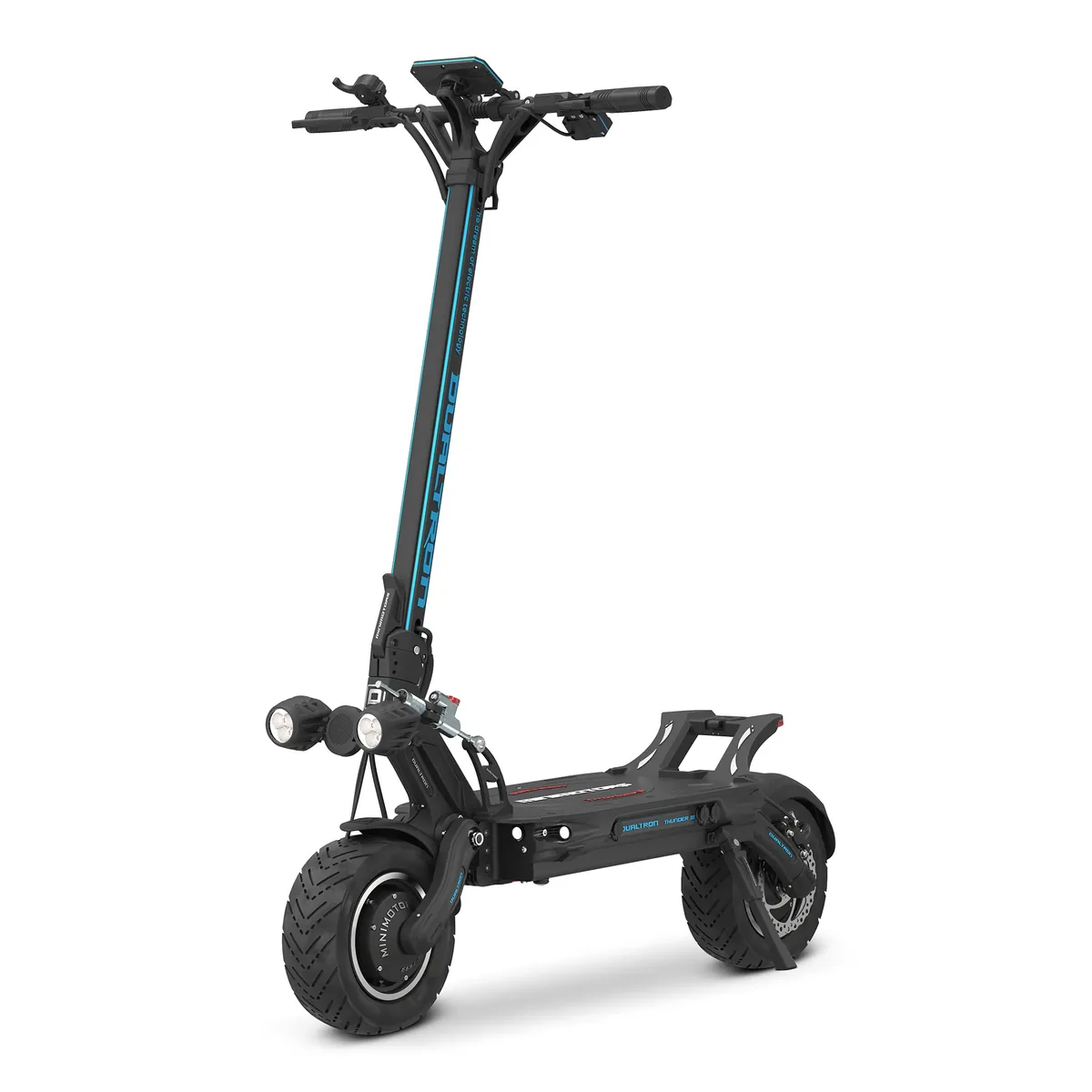
Dualtron
Dualtron Thunder 3
75.8 mi estimated · 100 mi claimed · 53.6 mi tested
Best for: Riders who value durability and parts availability over features
Full spec sheet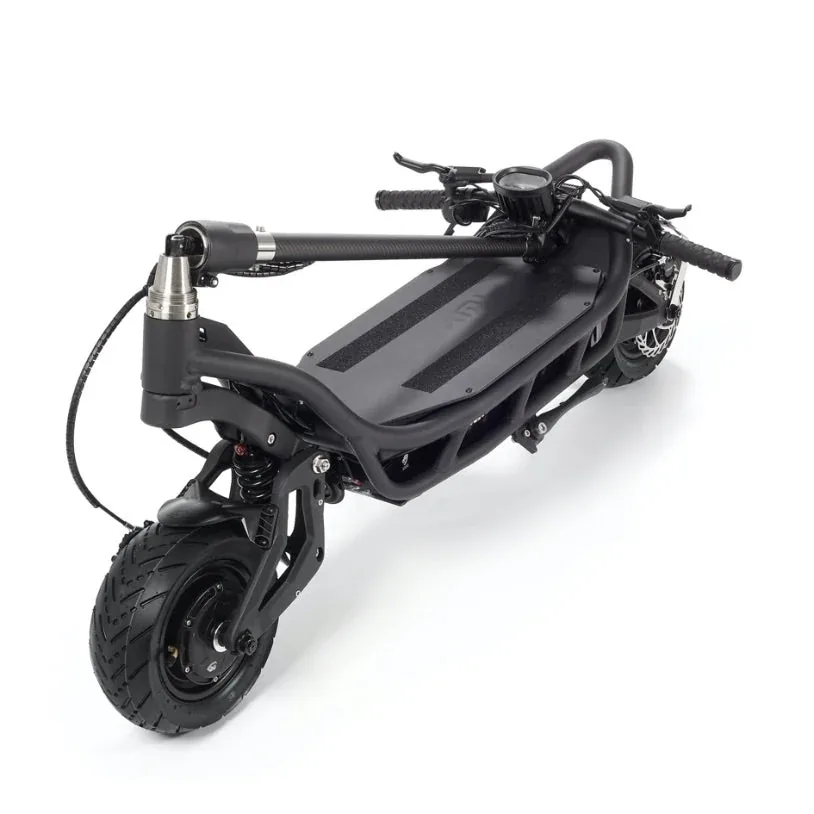
NAMI
NAMI Burn-E 2 Max
75.8 mi estimated · 115 mi claimed · 59.8 mi tested
Best for: The longest verified real-world range in the category
Full spec sheet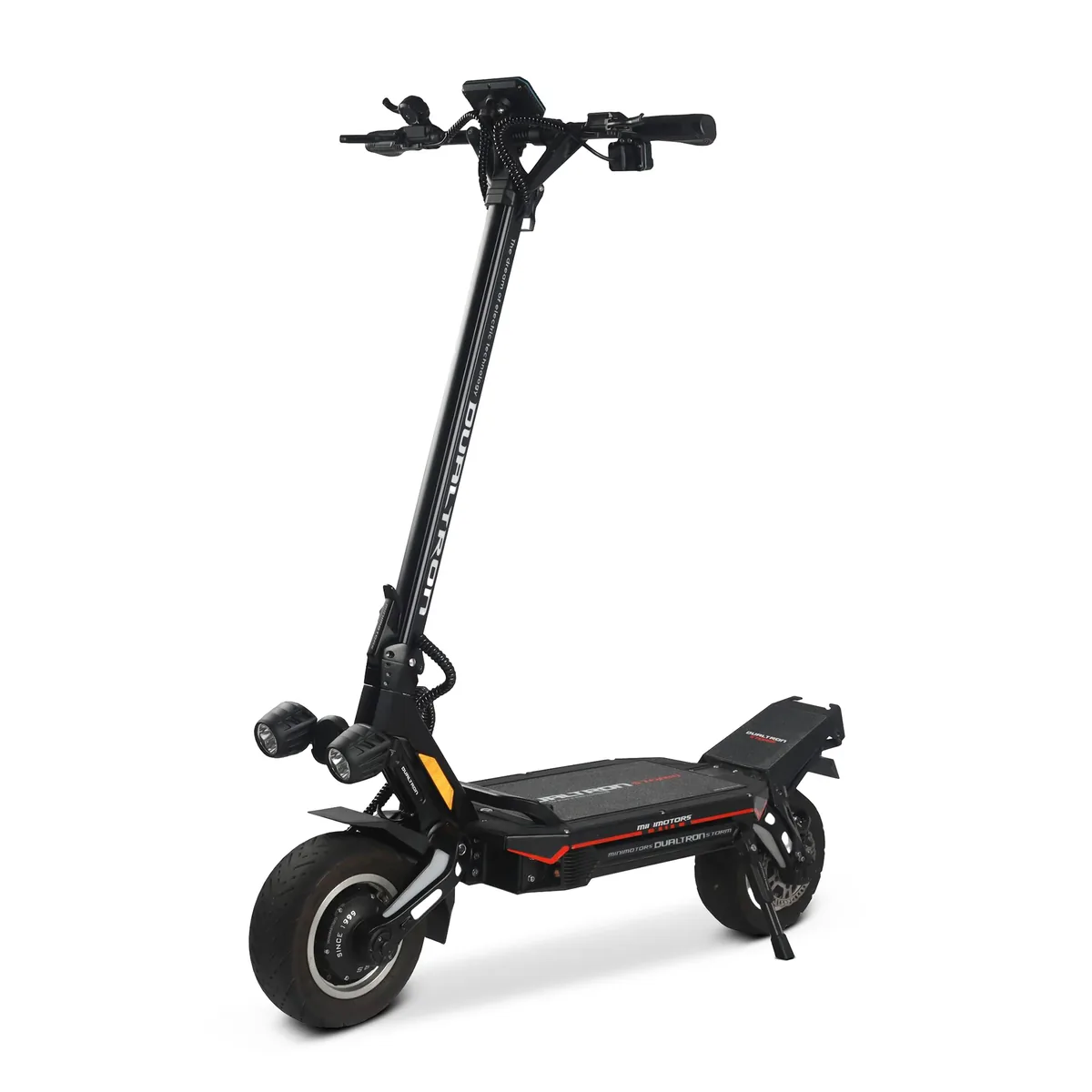
Dualtron
Dualtron New Storm
66.3 mi estimated · 90 mi claimed
Best for: A heavier rider who wants Dualtron durability
Full spec sheet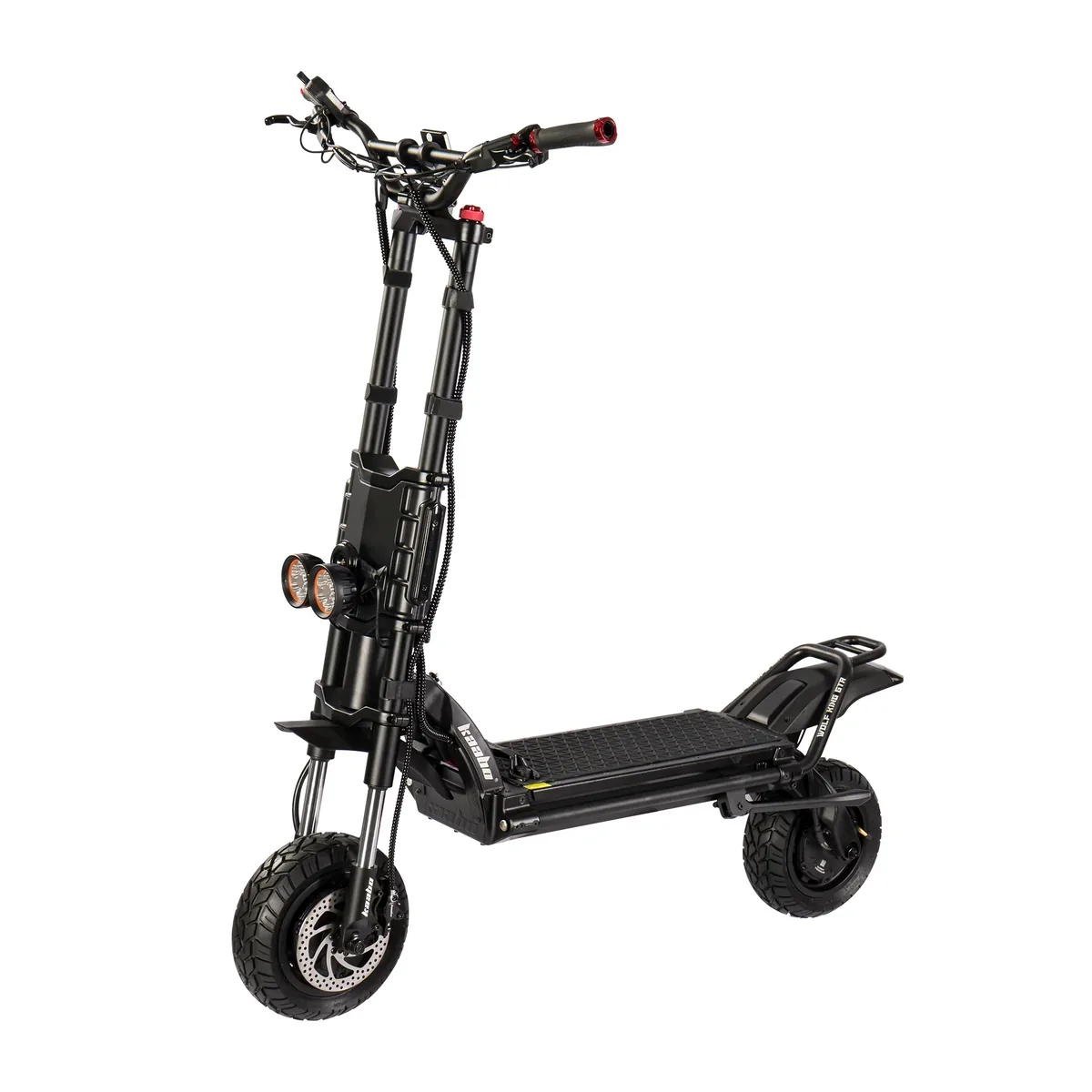
Kaabo
Kaabo King GTR
63.7 mi estimated · 55 mi claimed · 48.2 mi tested
Best for: The fastest thing here, for riders in full protective gear
Full spec sheet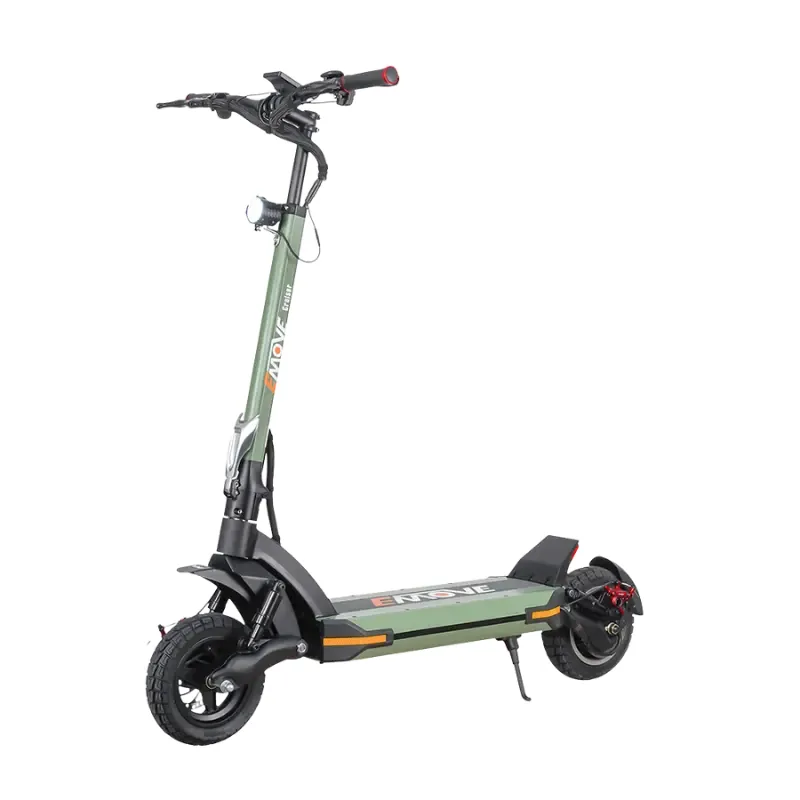
EMOVE
EMOVE Cruiser V2
62.4 mi estimated · 62 mi claimed · 46.3 mi tested
Best for: The longest single-motor range, especially for a heavier rider
Full spec sheet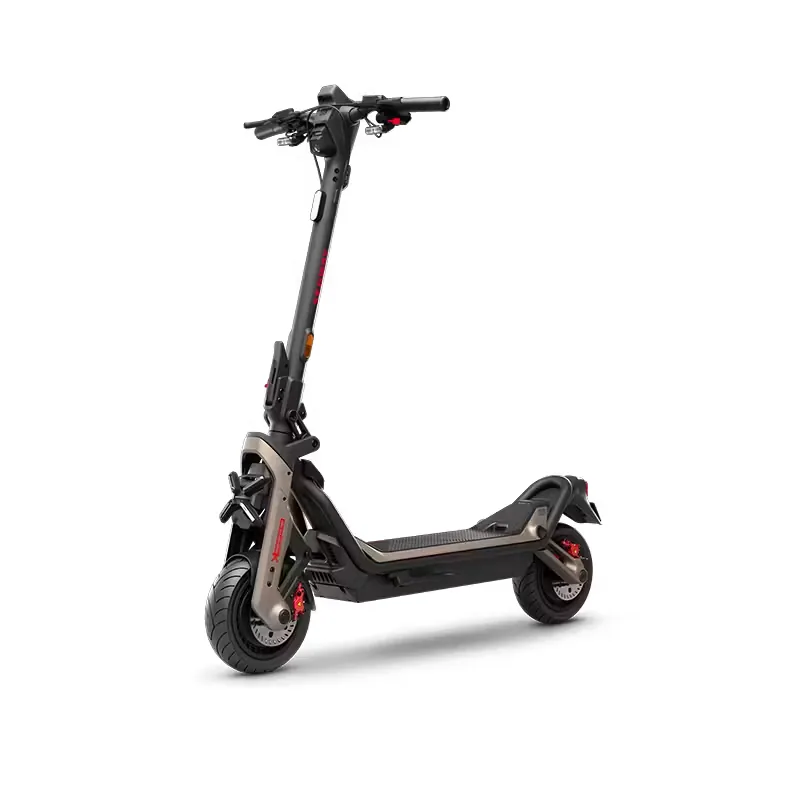
Segway Ninebot
Segway GT3 Pro
56.8 mi estimated · 86 mi claimed
Best for: Long high-speed rides from a brand with an actual support network
Full spec sheet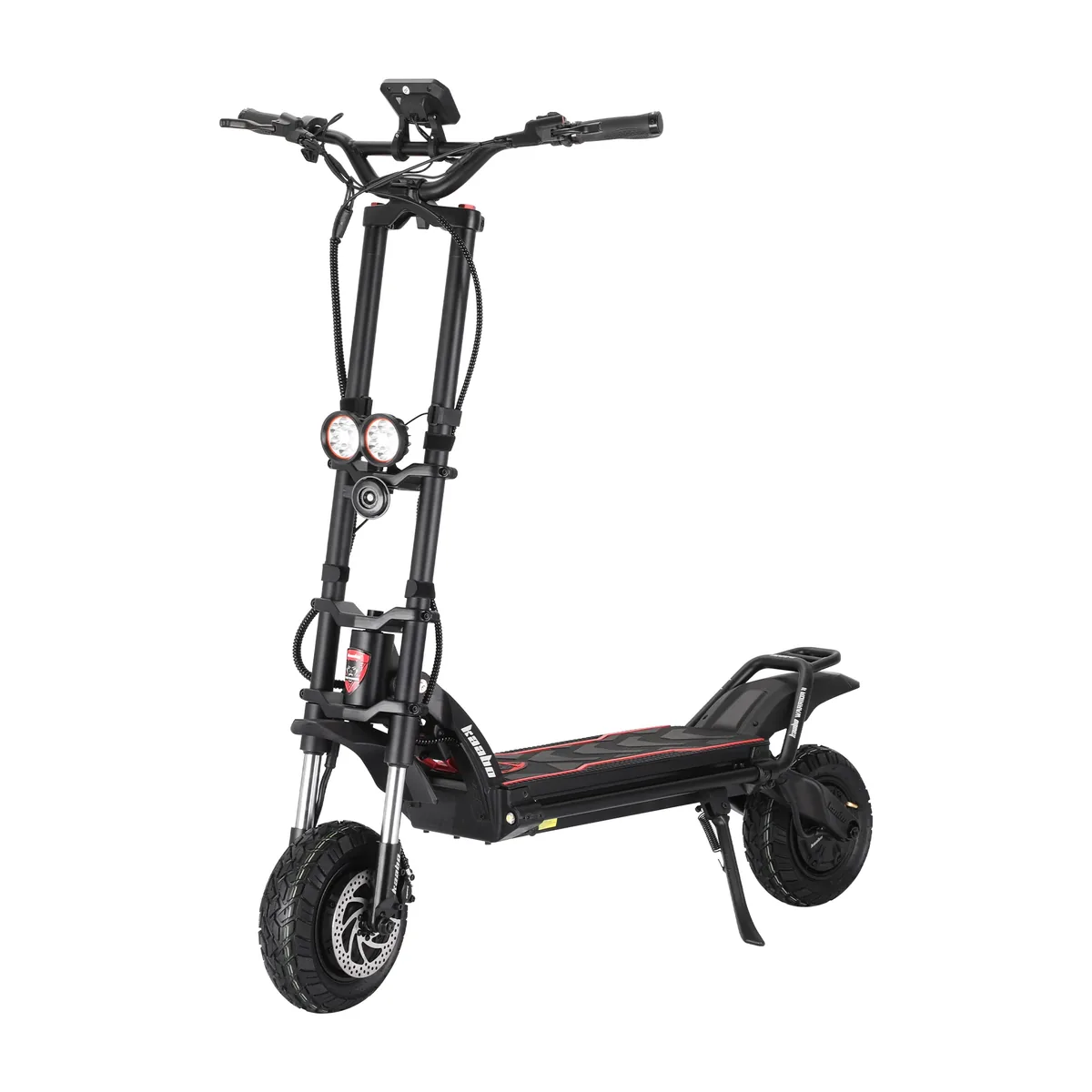
Kaabo
Kaabo Warrior 11 Max
56.8 mi estimated · 93 mi claimed
Best for: Serious off-road riding with suspension travel to match
Full spec sheet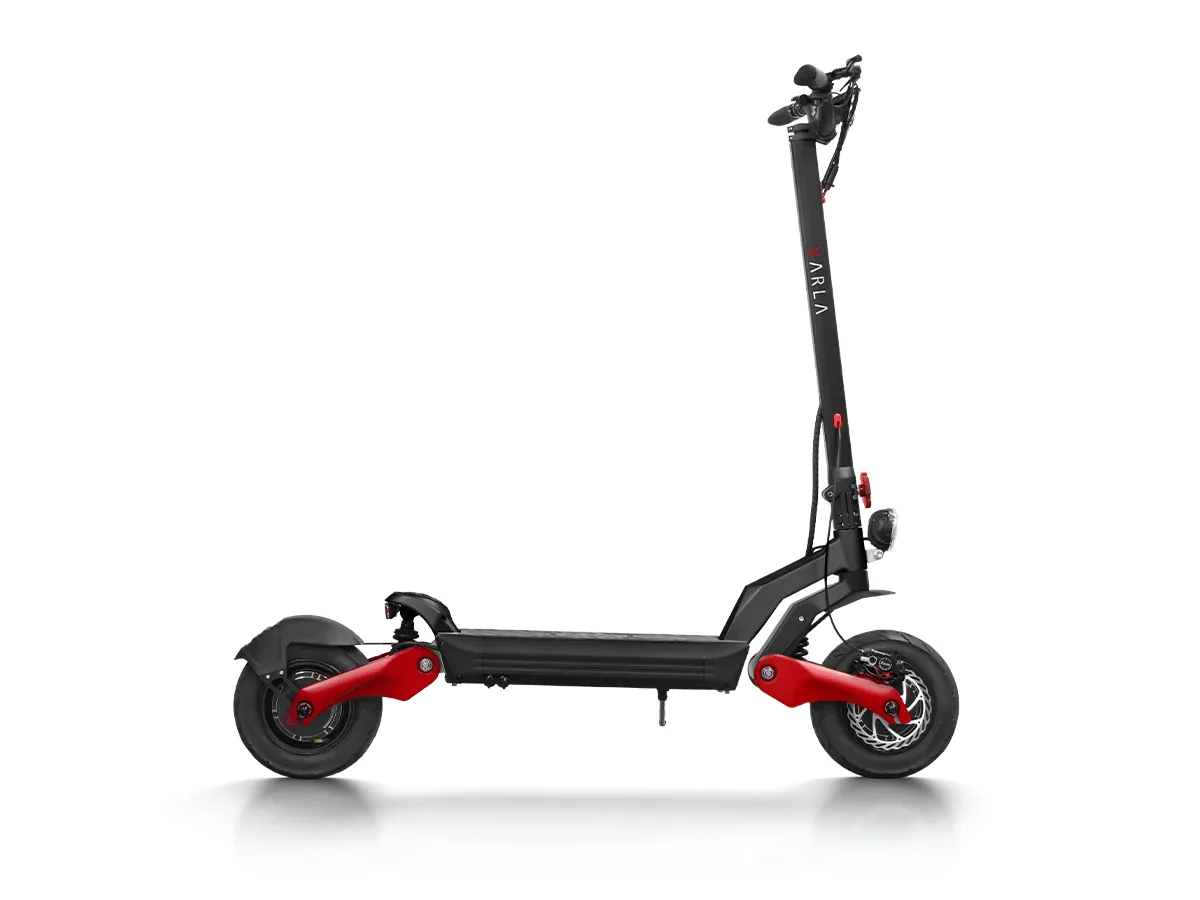
Varla
Varla Eagle One Pro
42.6 mi estimated · 60 mi claimed
Best for: The cheapest 45 mph with hydraulic brakes and 11-inch tires
Full spec sheet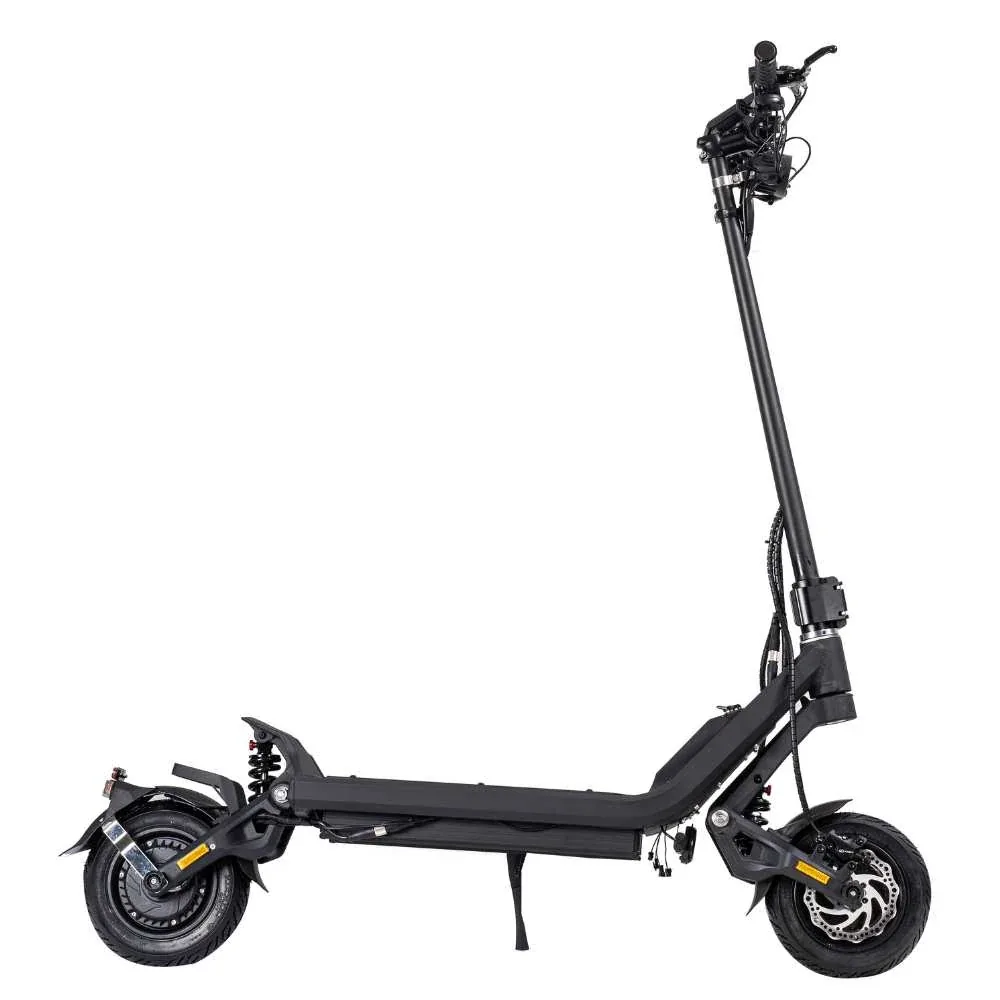
NAMI
NAMI Klima
39.5 mi estimated · 50 mi claimed
Best for: A performance scooter you intend to maintain yourself
Full spec sheet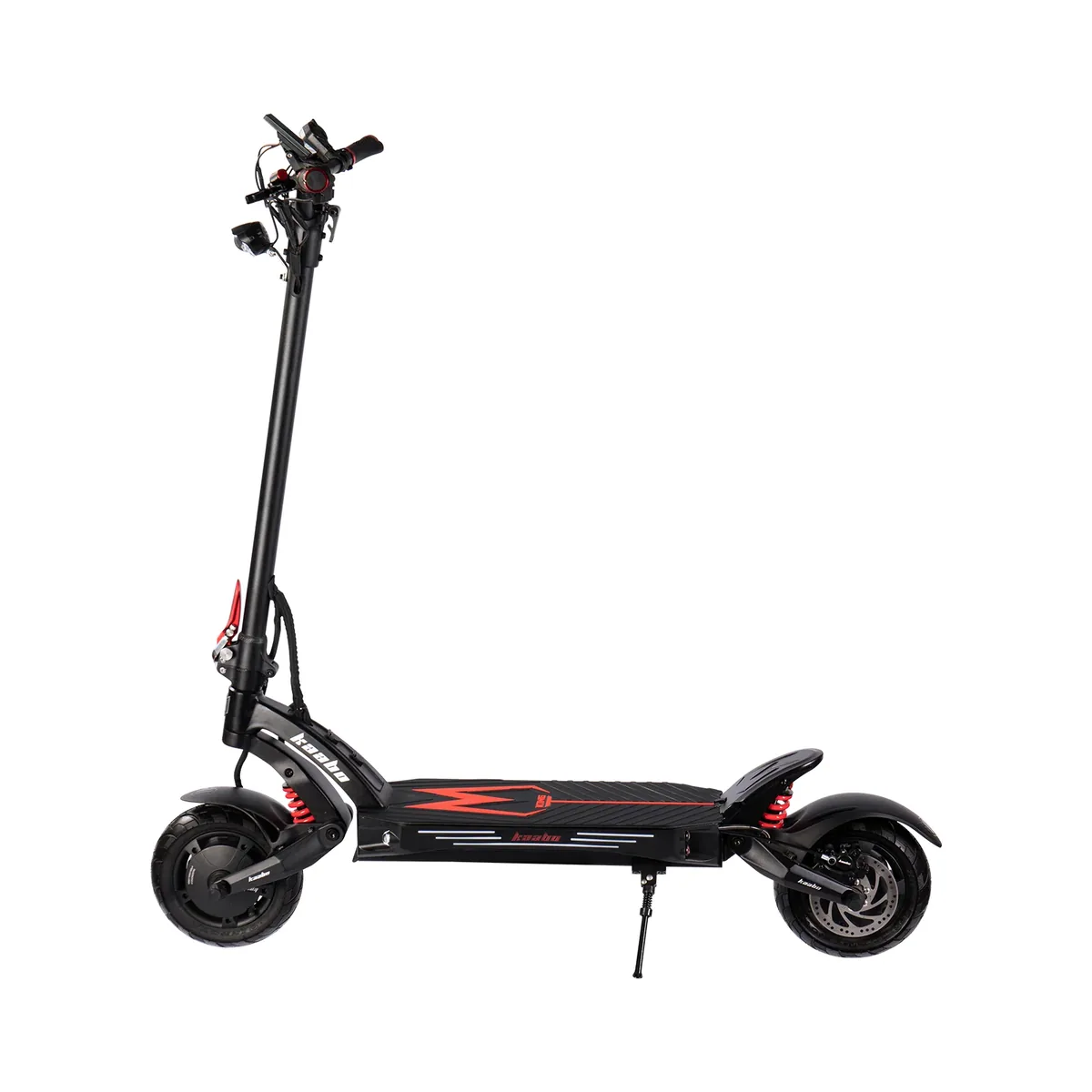
Kaabo
Kaabo Mantis King GT
37.9 mi estimated · 56 mi claimed
Best for: Performance riding with suspension you can actually tune
Full spec sheet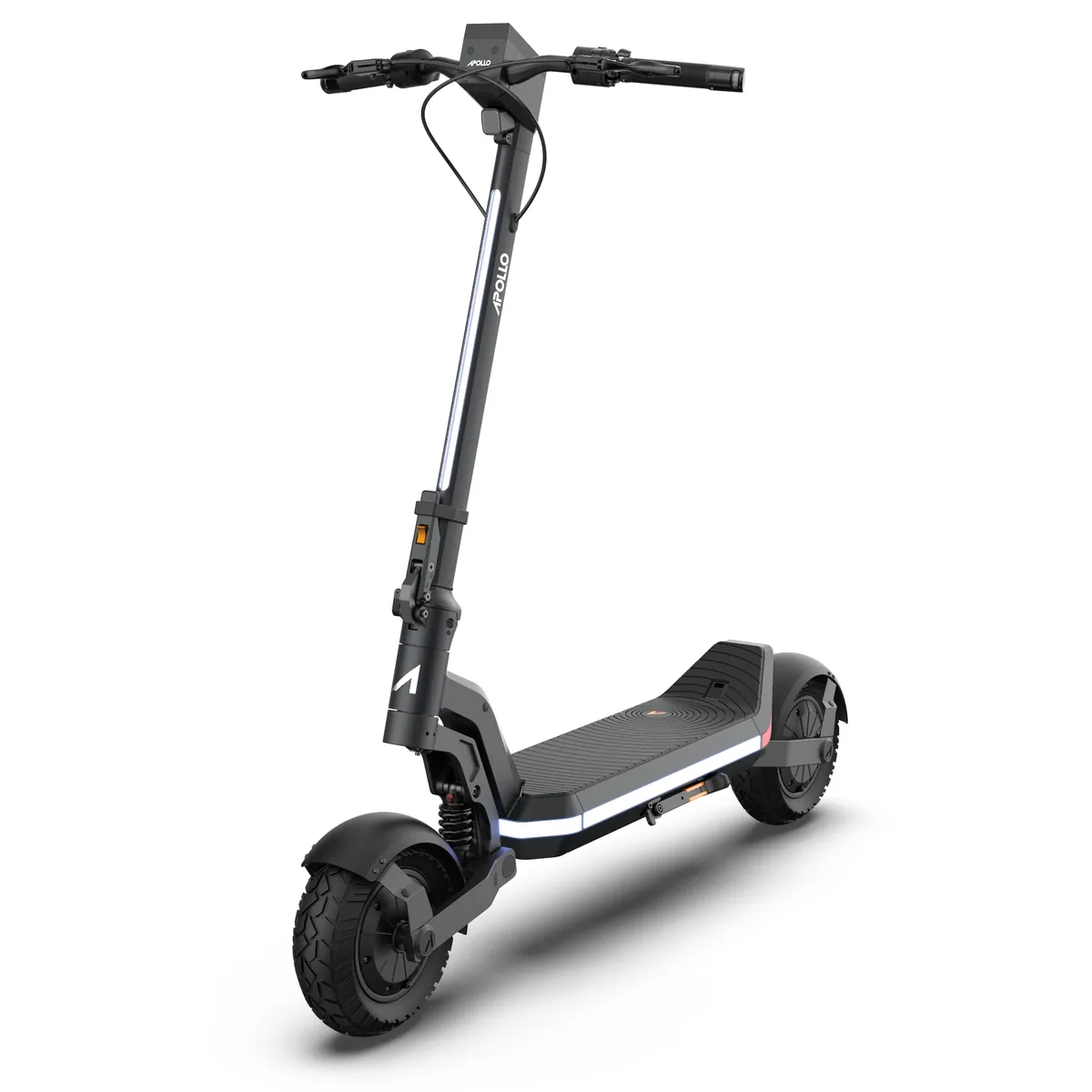
Apollo
Apollo Phantom 2.0
36.8 mi estimated · 50 mi claimed
Best for: Performance riding in weather, with turn signals fitted from the factory
Full spec sheet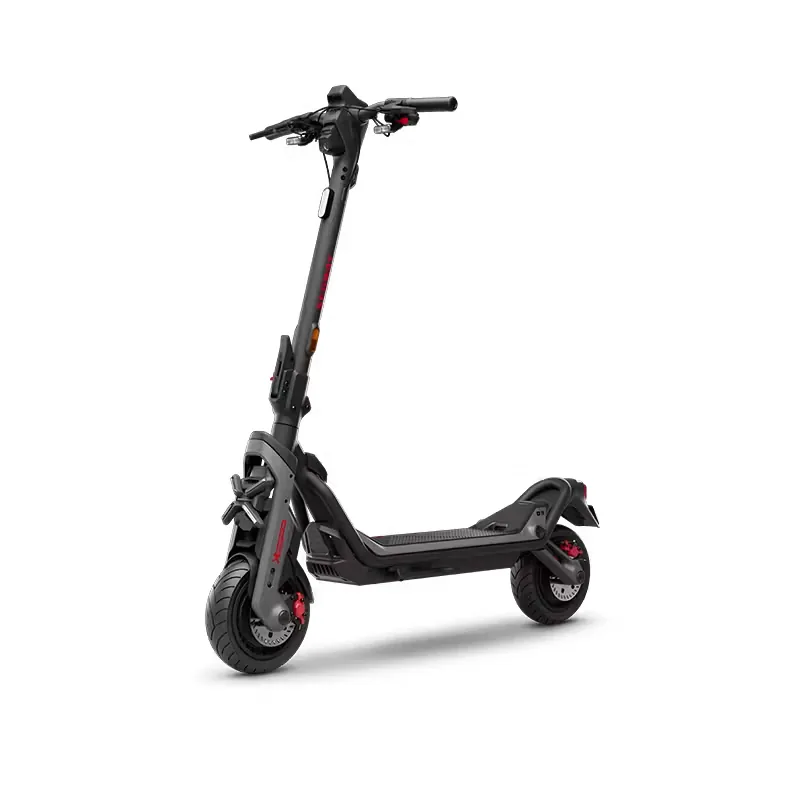
Segway Ninebot
Segway GT3
36 mi estimated · 45 mi claimed · 33.5 mi tested
Best for: A fast road commute you never have to carry
Full spec sheet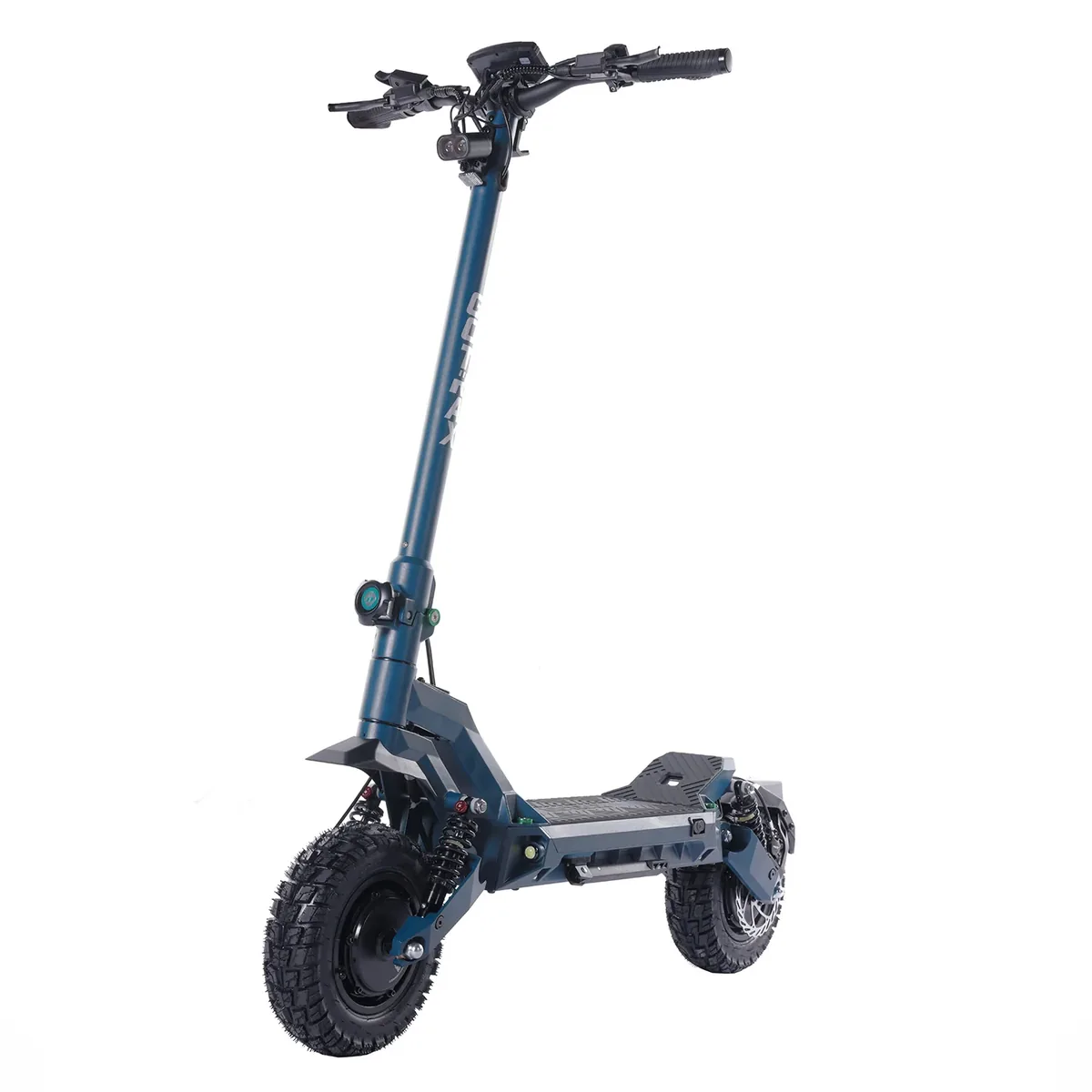
Gotrax
Gotrax GX3
35.5 mi estimated · 60 mi claimed
Best for: The cheapest route to 38 mph with suspension that works
Full spec sheet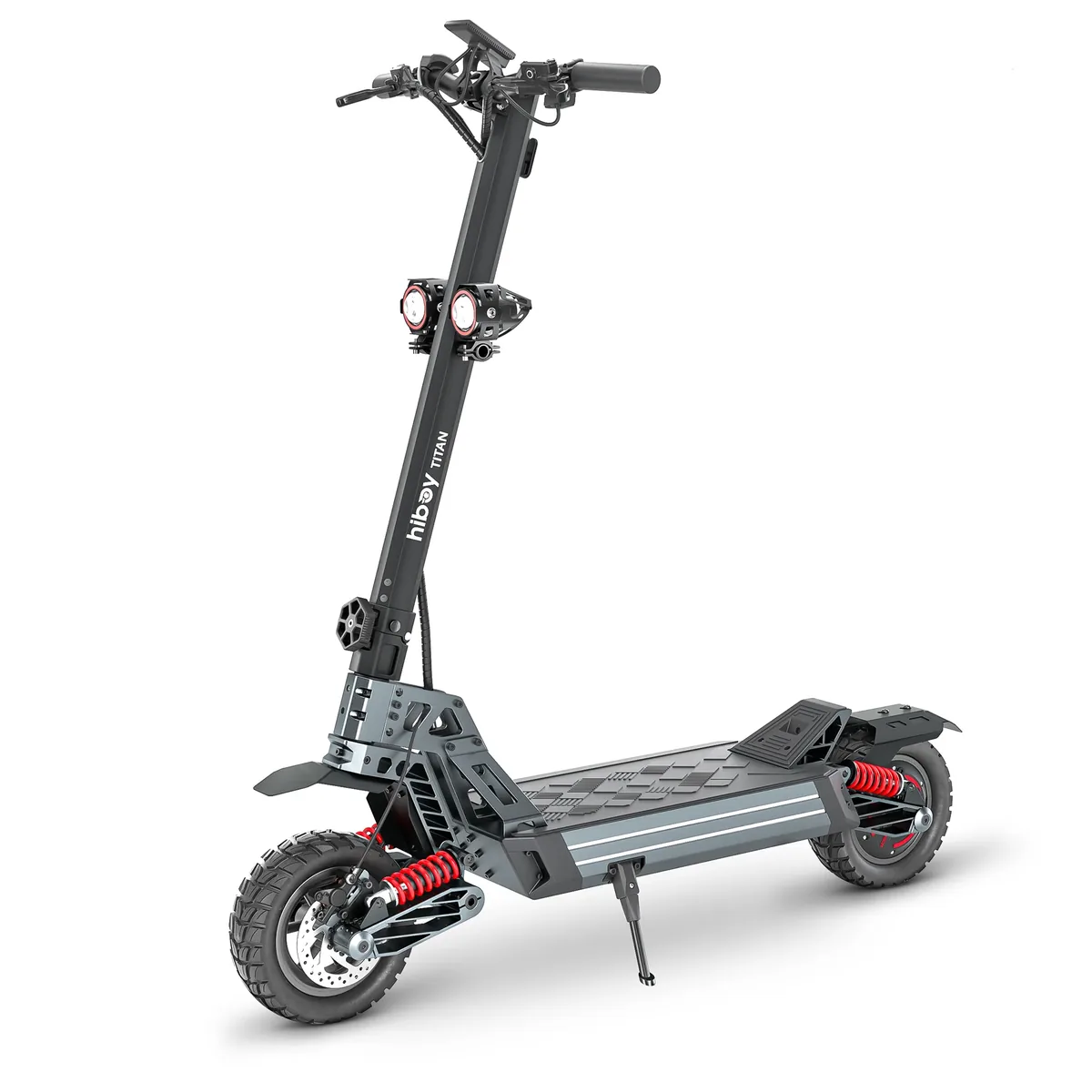
Hiboy
Hiboy Titan 2026
34.6 mi estimated · 46 mi claimed
Best for: Maximum hardware per dollar, if you can live with the parts risk
Full spec sheet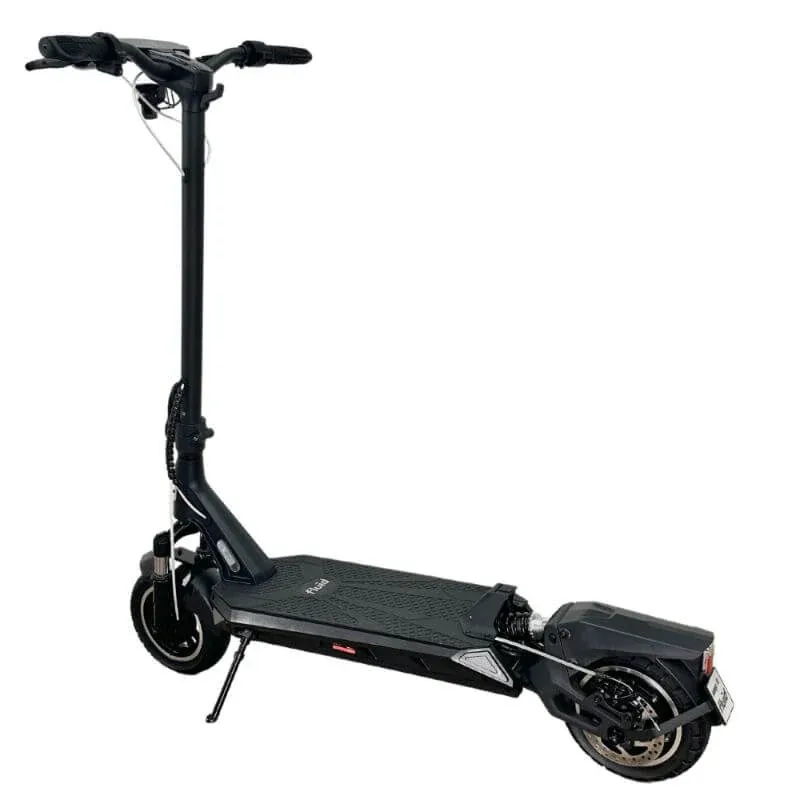
Fluid Freeride
Fluid Vista
34.3 mi estimated · 45 mi claimed
Best for: A long commute with zero tire maintenance
Full spec sheet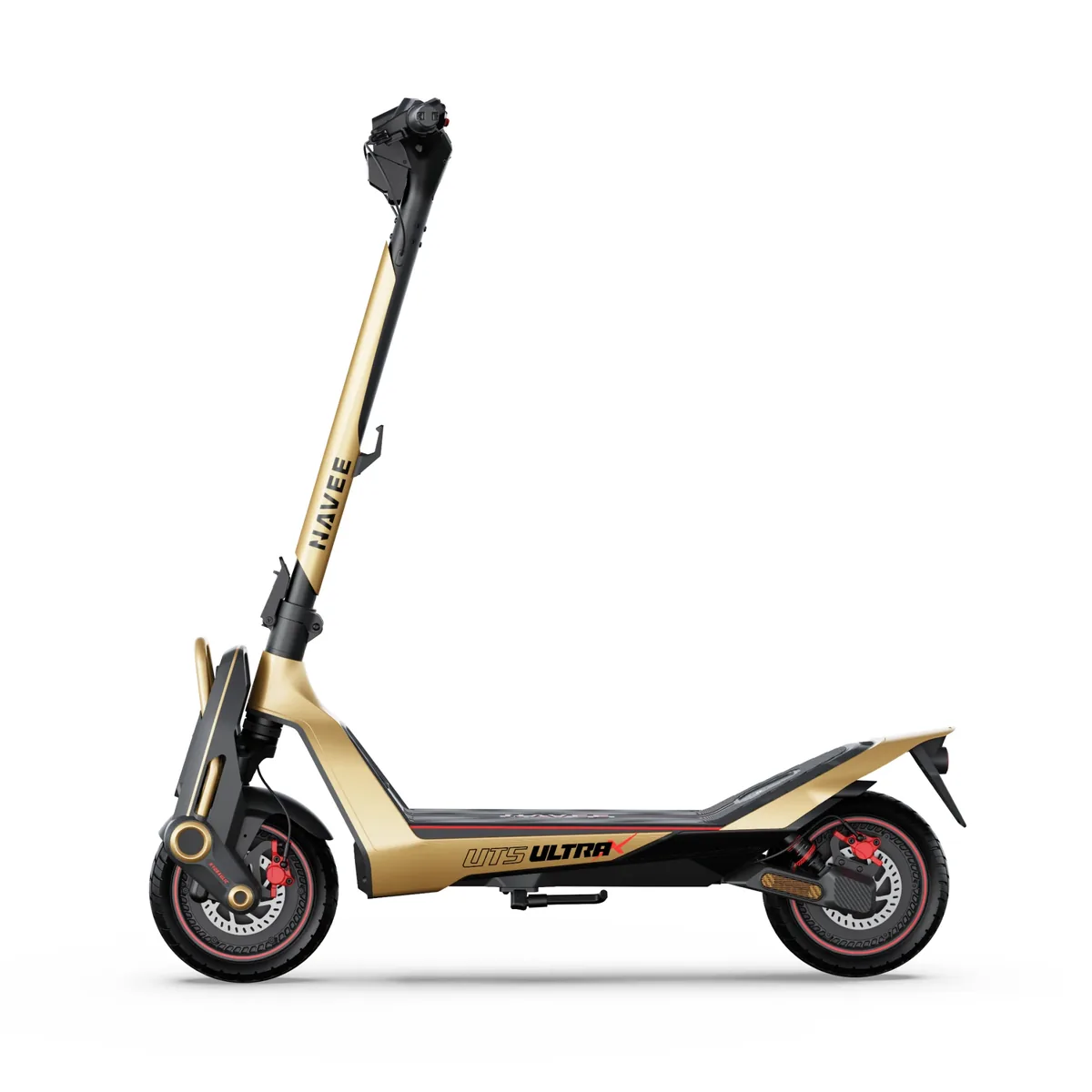
NAVEE
NAVEE UT5 Ultra X
33.8 mi estimated · 74.6 mi claimed
Best for: High-speed stability without giving up wet-weather use
Full spec sheet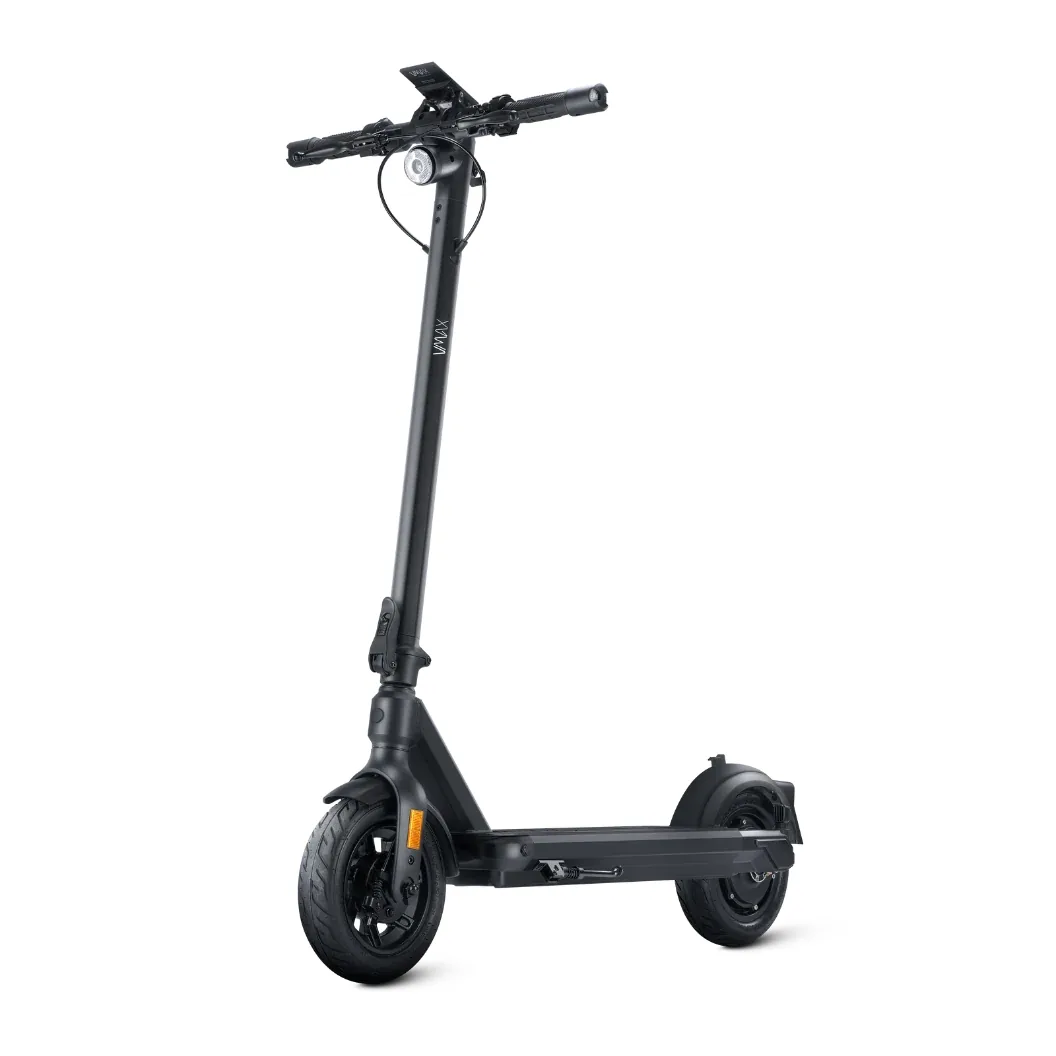
VMAX
VMAX VX2 Extreme GT
31.7 mi estimated · 43 mi claimed
Best for: A heavier rider who needs hill pace without buying a dual motor
Full spec sheet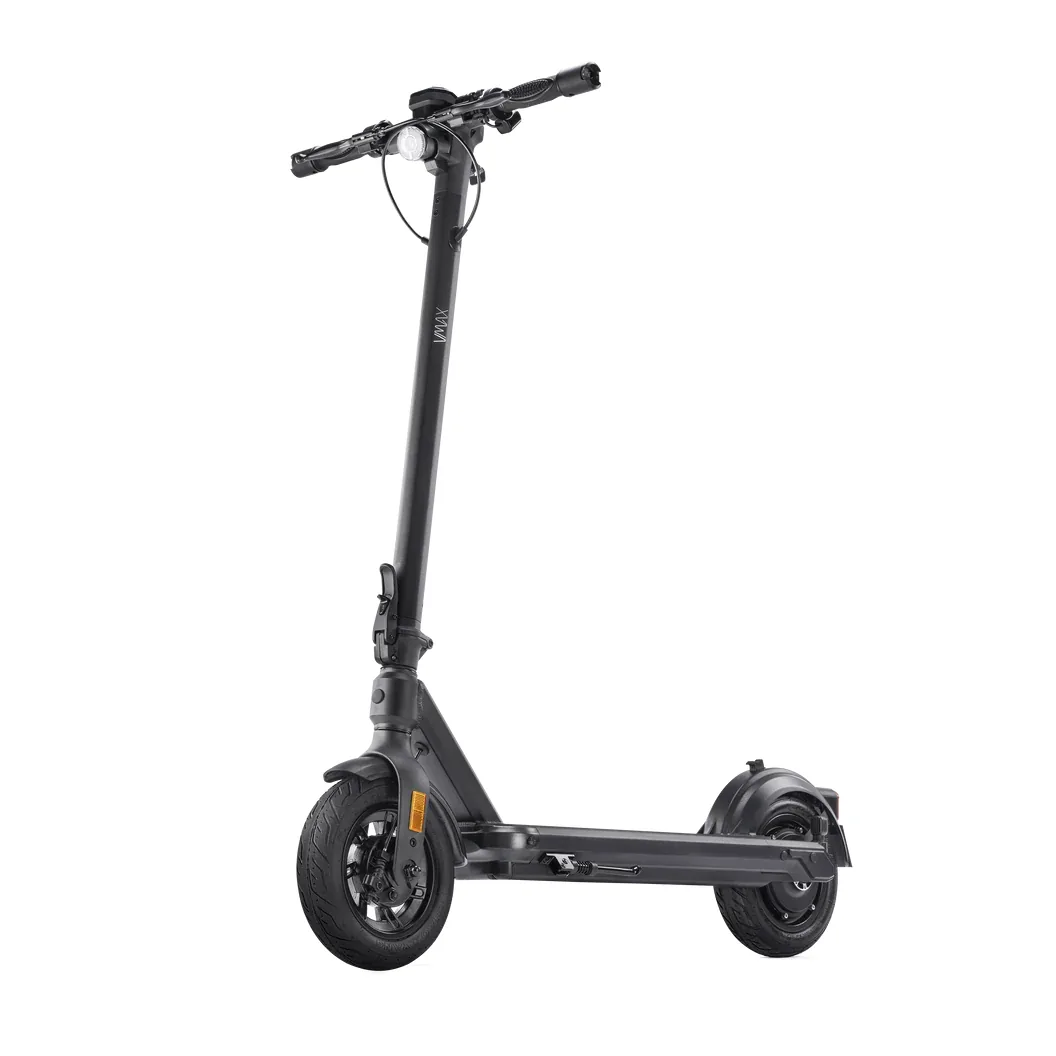
VMAX
VMAX VX2 Pro GT
30.7 mi estimated · 37 mi claimed · 29.5 mi tested
Best for: A big commuter pack in a scooter you can still lift
Full spec sheet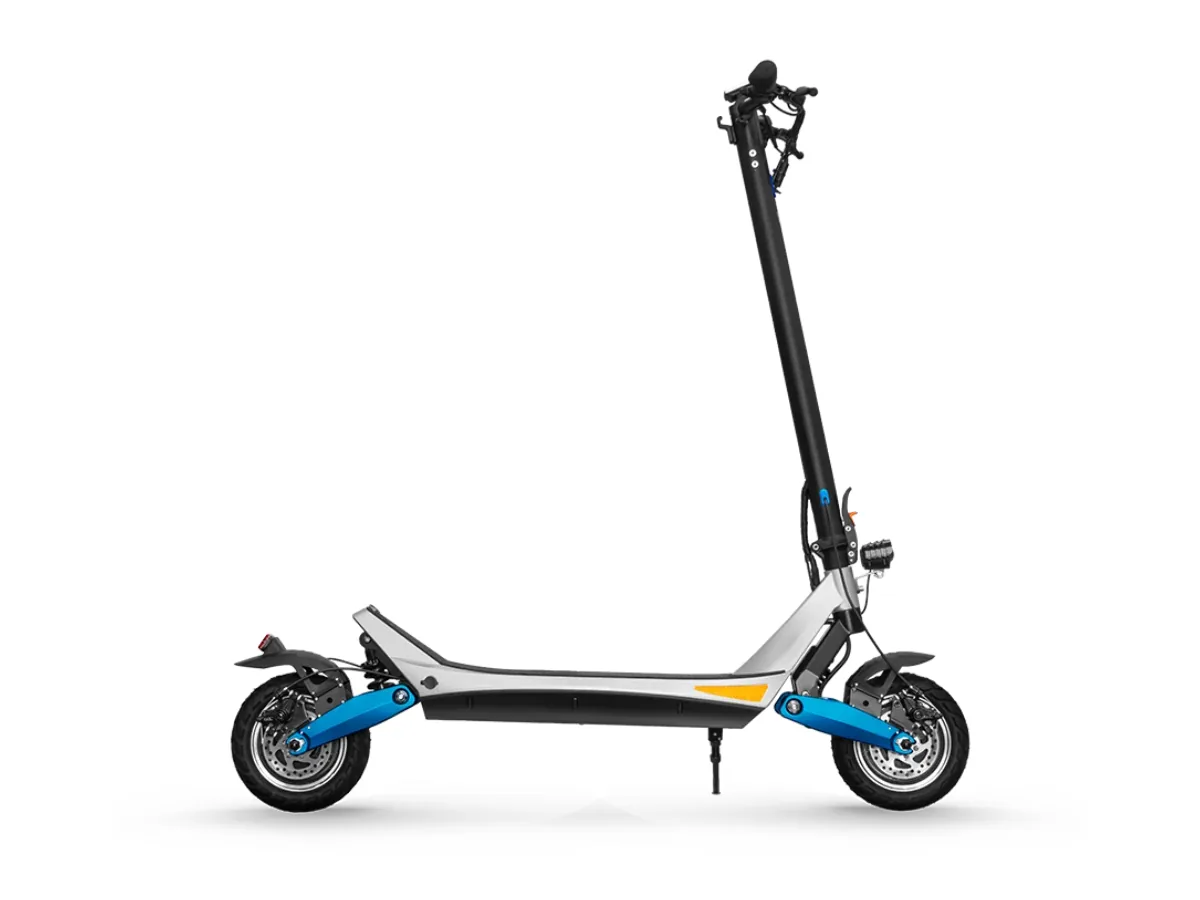
Varla
Varla Pegasus
29.9 mi estimated · 28 mi claimed · 18.3 mi tested
Best for: City riding where a puncture would ruin your day
Full spec sheet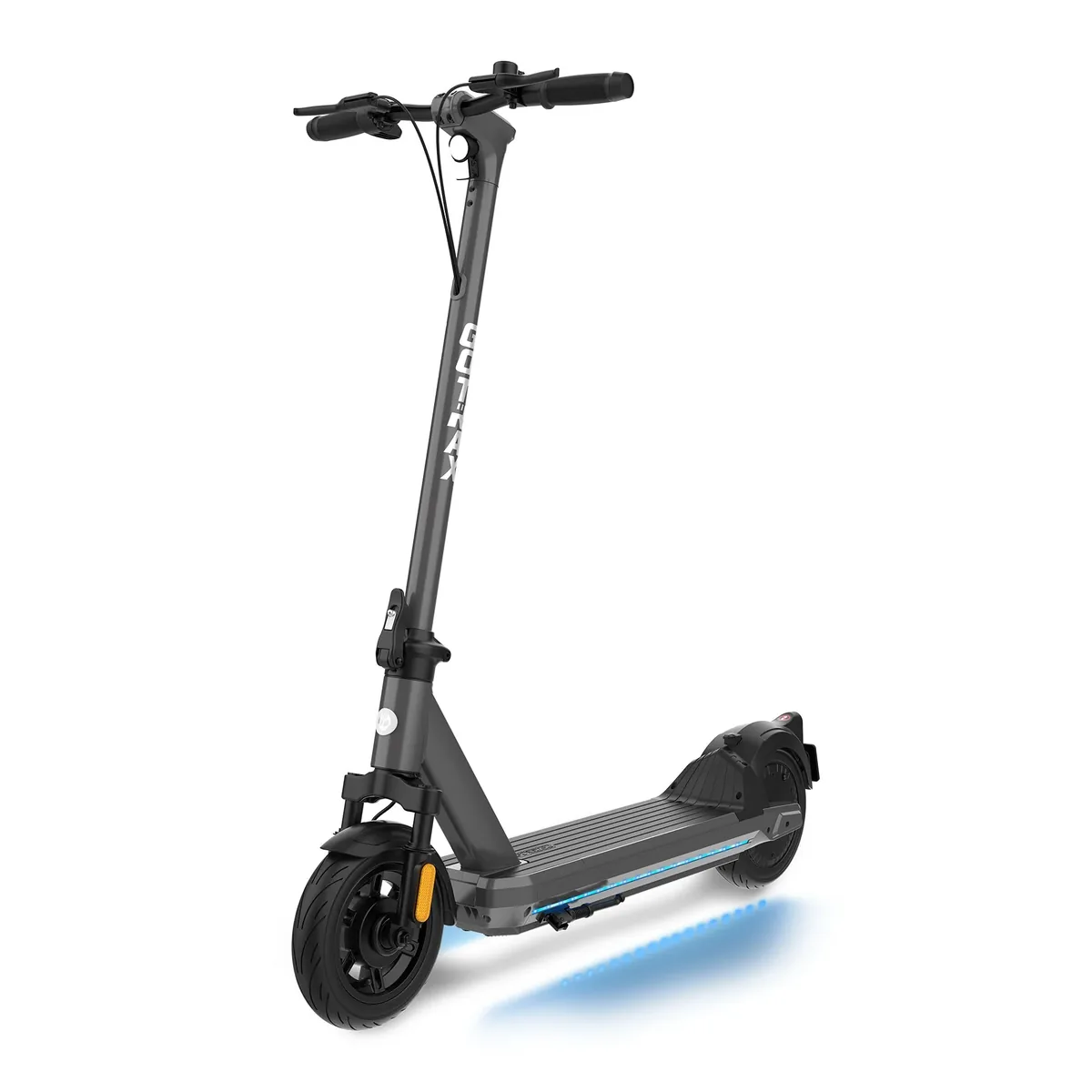
Gotrax
Gotrax G6
28.8 mi estimated · 35 mi claimed
Best for: The most battery and brakes Gotrax offers without going dual motor
Full spec sheet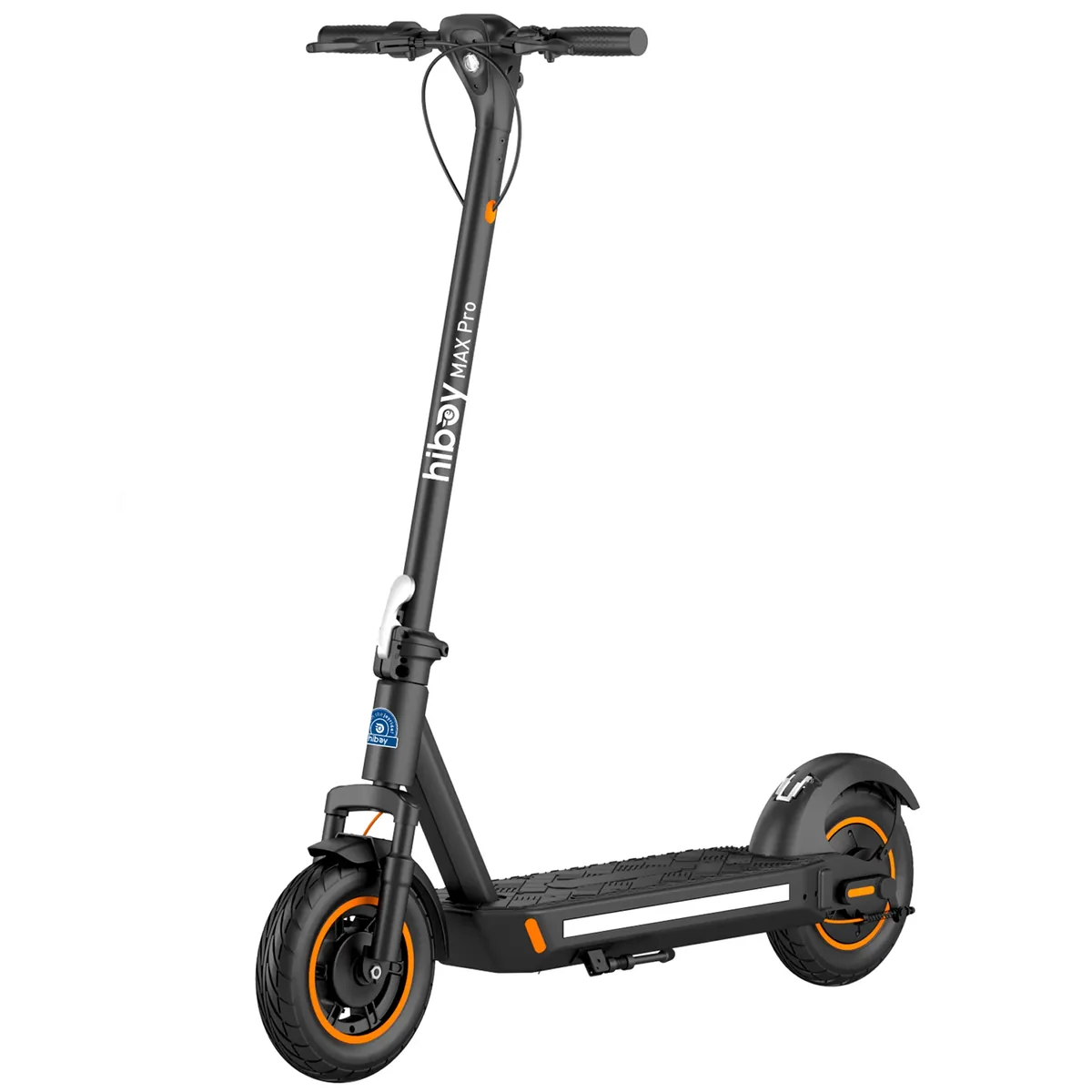
Hiboy
Hiboy MAX Pro
28.8 mi estimated · 46.6 mi claimed
Best for: A heavier rider who wants range and comfort for under $700
Full spec sheet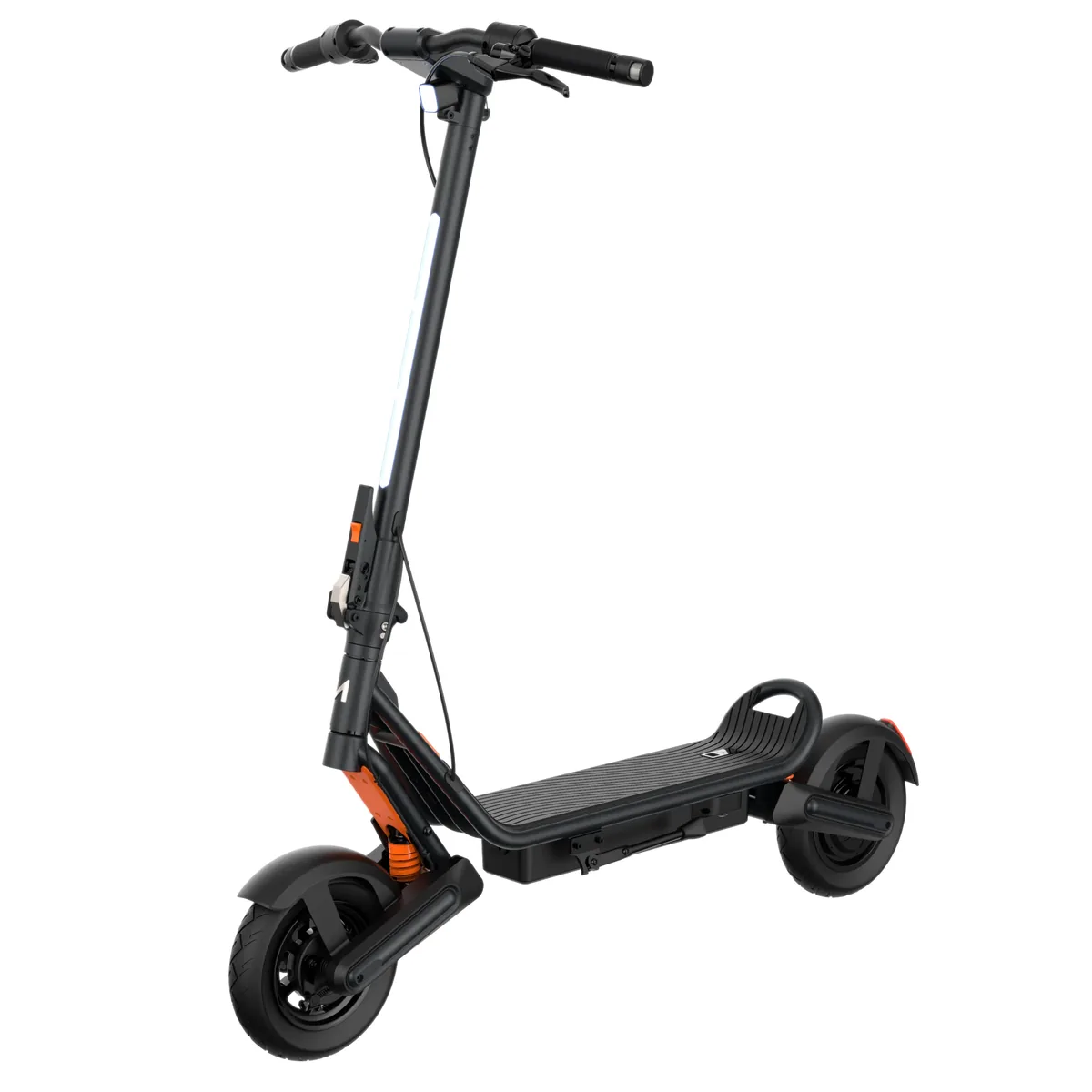
Apollo
Apollo Explore 2.0
25.9 mi estimated · 37 mi claimed
Best for: Rough roads and kerbs on a single-motor budget
Full spec sheet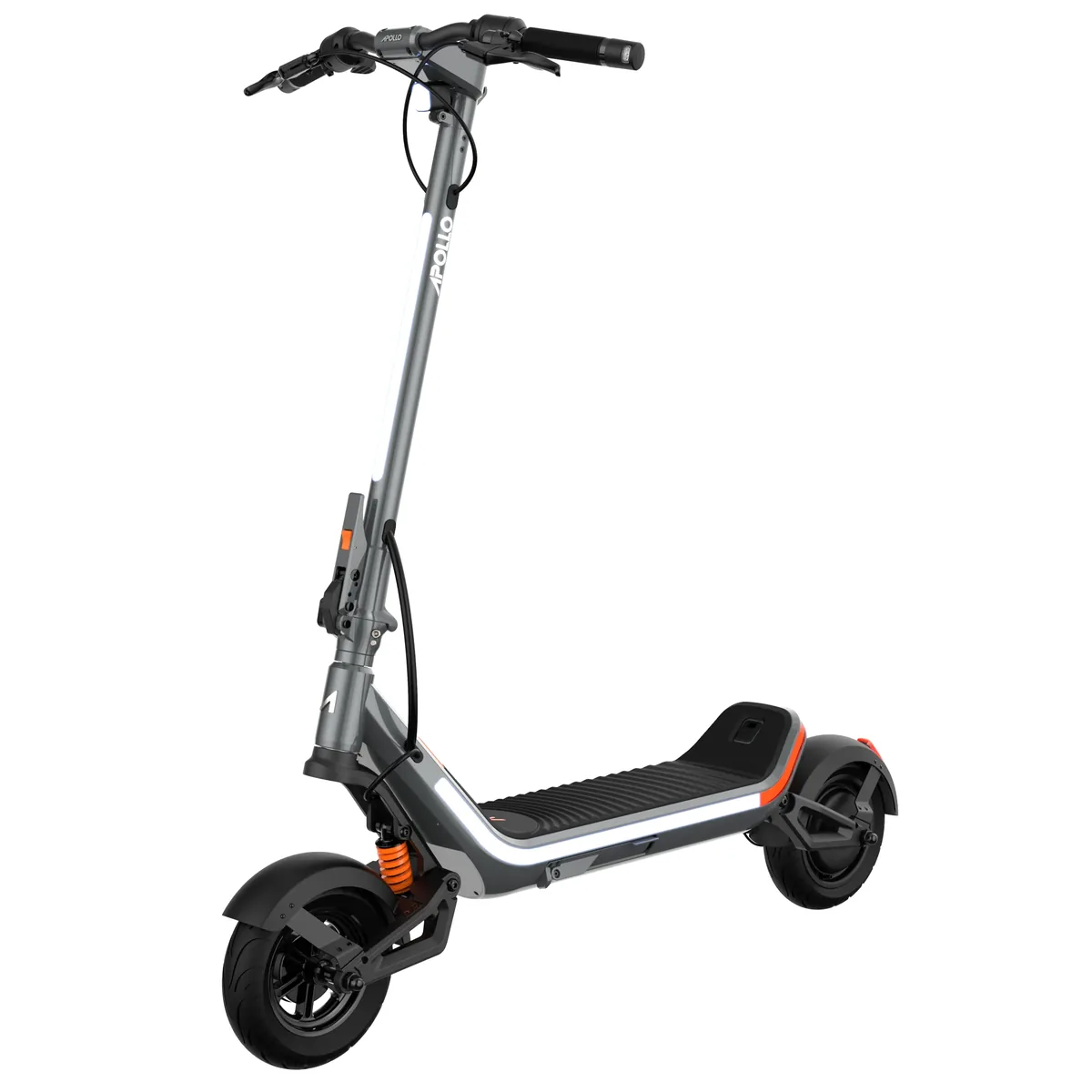
Apollo
Apollo City 2.0
25.3 mi estimated · 38 mi claimed · 29.8 mi tested
Best for: All-weather commuting at real road speeds
Full spec sheet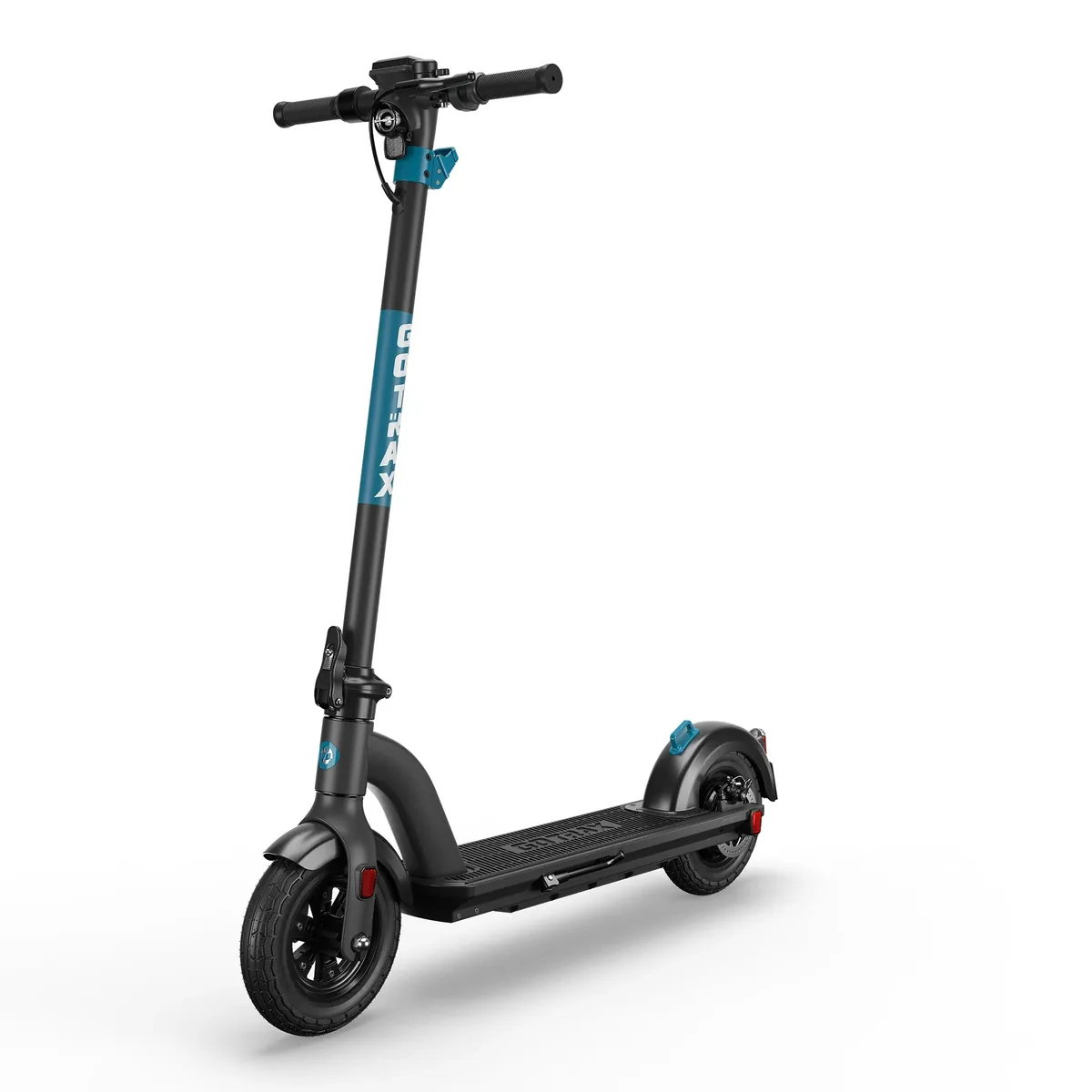
Gotrax
Gotrax GMAX Ultra
25.2 mi estimated · 45 mi claimed
Best for: A big battery per dollar, for flat commuting on a budget
Full spec sheetWhat people ask first
The questions that come up over and over in owner discussion, answered as plainly as the evidence allows.
Why does my scooter get nowhere near its advertised range?
Because the advertised figure is measured in the lowest speed mode, on flat ground, with no stops and a rider near 165 pounds. Ridden normally, most scooters return between 55 and 75 per cent of it — Rider Guide measured twelve scooters and averaged 71 per cent, with results from 90 per cent down to 53. The arithmetic that gets closer is watt-hours divided by consumption: roughly 25 Wh per mile for a single-motor commuter, 35 to 40 for a dual motor ridden at speed. That estimate is printed next to the claim on every page here. The full explanation →
How much scooter do I actually need for a commute?
Work out your round trip, add about a third for cold weather, headwind and hills, then find the cheapest scooter whose estimated range clears that number. A five-mile round trip is comfortable on almost anything in this catalog. A twenty-mile round trip in winter needs a 600 Wh pack or better, and you should be looking at the long-range commuter category rather than the cheap end. Long-range commuters →
Is a dual-motor scooter worth it?
For hills and for heavier riders, yes; for flat commuting, rarely. A second motor roughly doubles the power available for climbing and shortens acceleration noticeably — one popular budget dual motor holds 12 to 14 mph up hills that stall a 500-watt e-bike. It also adds weight, draws around half as many miles per watt-hour, and pushes the price up. If your route is flat, that money buys more range in a single-motor scooter. Dual-motor scooters under $1,500 →
Can I ride an electric scooter in the rain?
Depends entirely on the IP rating, and the ratings are not interchangeable. IPX4 means splashes. IPX5 means a low-pressure spray. IPX6 and IP66 mean jets of water from any direction, and those are the two worth riding wet behind. Standing water is the real hazard regardless of rating — it reaches parts of a scooter that rain does not, and it can stop a front wheel dead. Scooters rated for actual rain →
How much does weight matter?
More than almost any other spec, because it decides whether the scooter comes with you. Under about 35 pounds you carry it up stairs without thinking; between 35 and 55 you can lift it into a boot but not carry it far; above 55 it goes where it can be wheeled and lives at ground level. Every scooter here carries that classification, and you can filter on it directly. Scooters you can carry up stairs →
Are the brakes on cheap scooters good enough?
Count the mechanical brakes rather than the systems. Regenerative braking is electrical, it weakens as the battery fills, and a scooter whose rear wheel has regen and nothing else has one real brake however the spec sheet counts it. Under 20 mph on flat ground a front drum plus regen is adequate. Over 20 mph you want a mechanical brake at both wheels; over 30 mph you want hydraulics. Drum, disc or regen →
What actually breaks on an electric scooter?
In order: tires, then the battery, then the folding stem. Punctures are routine and solved by tubeless self-sealing or solid tires. Battery capacity fades over 500 to 800 charge cycles, and a replacement pack on a cheap scooter can cost half what the scooter did. The stem is the one that matters: it is the most safety-critical part and it fails by fatigue, so play at the hinge or a crack near the clamp means stop riding, not tighten it harder. What to inspect, and how often →
Are solid tires better than air?
Only if you refuse to maintain tires. Air tires are much more comfortable, grip better in the wet, and do half the suspension work on a scooter with small wheels. Solid tires never puncture, which is genuinely valuable if the scooter is your only transport, and the models here that fit them almost all pair them with suspension at both ends to compensate. Self-sealing tubeless tires are the middle ground most good commuters now use. Solid vs pneumatic, in full →